
Sexual orientation discrimination in California is illegal, and it rarely looks the way most people expect. It usually does not start with a slur or a termination letter. More often, it starts after you come out, after someone outs you, or after a same-sex relationship becomes visible at work. Your name disappears from meeting invites, a solid review history becomes a Performance Improvement Plan, and HR calls a pattern of homophobic comments a personality issue.
Frontier Law Center represents California employees who have been pushed out, passed over, or harassed because of who they are. This page walks you through what the law covers, how to prove it, and what to do next.

★★★★★5/5
“Great service, Had my back every step of the way! Would choose to work with them again.”
— Recent Client Review
Quick Answer
Is Sexual Orientation Discrimination Illegal in California?
Yes. Sexual orientation discrimination in California is illegal under the Fair Employment and Housing Act (FEHA), which covers any employer with five or more employees. FEHA prohibits adverse employment decisions based on actual or perceived sexual orientation, gender identity, or gender expression, including hiring, firing, promotions, pay, and daily workplace treatment. California's protections are broader than federal law, and employees generally have up to three years to file a complaint with the California Civil Rights Department.
10,000
+
Workers Helped
100
M+
Recovered
10
+
Years in Practice
Who FEHA Protects: The Full Scope of California’s Coverage
California’s Fair Employment and Housing Act reaches further than most employees realize, and understanding the full scope of its protections is the first step in knowing whether you have a claim.

Every Sexual Orientation, Including Perceived and Associational Protection
FEHA protects employees of any different sexual orientation, whether they are gay, lesbian, bisexual, queer, pansexual, or asexual. Critically, FEHA also protects you if your employer simply perceives you as an LGBTQ person, even if that perception is incorrect, and protects you if your employer treats you differently because of your relationship or association with someone who is LGBTQ. This “perceived” and “associational” coverage falls under California Government Code Section 12940 and closes the loophole that would otherwise allow employers to discriminate based on assumption alone.

How California’s Protections Compare to Federal Law
Beyond sexual orientation, FEHA covers sex-based discrimination, national origin, race, disability, and a broad range of other characteristics, making it one of the most comprehensive workplace discrimination laws in the country. In 2020, the U.S. Supreme Court confirmed in Bostock v. Clayton County that Title VII of the Civil Rights Act also covers sexual orientation and gender identity. California had already protected LGBTQ people for decades before that ruling, and FEHA’s remedies are generally broader than what the federal route allows.

Sexual Orientation Discrimination at Work: What It Looks Like in Real Cases
Most cases do not begin with a manager openly using slurs. They build gradually, which is why employees often do not recognize what is happening until the damage is done. These are the patterns Frontier Law Center sees most often across California on the right.
None of these events alone proves a case. Two or three stacking up close in time to a protected disclosure is when a sexual orientation discrimination claim in California becomes legally actionable under FEHA.
You don’t need to have all the answers.
You just need to tell us your story. We’ll figure out if it was illegal. Many of our most successful clients started by
saying “I’m not even sure I have a case.”
- Your performance reviews became harsher shortly after you came out or were outed at work
- You were passed over for a promotion in favor of someone with less experience
- You stopped receiving invitations to meetings where real decisions get made
- A coworker makes homophobic or transphobic jokes repeatedly, and HR dismisses it as personality
- A supervisor intentionally misgenders you after being corrected, and management does nothing
- Your hours, duties, or schedule changed quietly after you disclosed your orientation
- Your employer fired you or put you on a PIP shortly after a same-sex marriage announcement or a gender transition
Examples of Sexual Orientation Discrimination in the Workplace
The table below covers the most common fact patterns our firm sees from California employees, and explains why each one can support a workplace discrimination claim.
| What You Might Be Experiencing | Why It Matters Legally |
|---|---|
| Negative reviews appeared shortly after you came out or were outed | Timing is one of the strongest forms of circumstantial evidence in a FEHA discrimination claim |
| Passed over for a promotion in favor of someone less qualified | Unequal treatment of similarly situated employees is the foundation of a disparate treatment claim |
| Homophobic or transphobic jokes that HR failed to address | Repeated conduct that management knew about and ignored can rise to a hostile work environment under FEHA |
| Supervisor intentionally misgenders you after being corrected | Deliberate misgendering by a manager can support a harassment claim under California law |
| Hours, duties, or schedule quietly reduced after you disclosed your orientation | Loss of income or responsibility qualifies as an adverse employment action under FEHA |
| Terminated or placed on a PIP shortly after a same-sex marriage, parental leave, or transition | Adverse action taken close in time to a protected event is a well-recognized FEHA pattern |
How Your Case Gets Built and What You Can Recover
California courts do not require a confession. What they look for is a pattern, and building that pattern is exactly what Frontier Law Center does.

Build Your Documentation Trail
Save performance reviews, emails, Slack messages, schedule changes, and every HR correspondence you can access. If someone made a pointed comment about your orientation, write it down the same day with the date, the exact words, and anyone who was present. HR silence is also evidence, so preserve every complaint you filed and every non-response you received.
Establish the Pattern of Adverse Action
A single bad review rarely proves a case. What matters is two or three adverse events stacking up close in time to a protected disclosure, such as coming out, being outed, or announcing a same-sex marriage. Frontier Law Center helps you identify which events qualify under FEHA and how their timing creates the legal foundation for your claim.
Expose the Pretext Behind Your Employer’s Stated Reason
Most employers offer a cover story, a performance issue, a restructuring, a budget cut. The legal term for a false justification is pretext, and dismantling it is often where a case gets won. Our post on performance improvement plans in California covers how PIPs get used as pretext and what to watch for.
Recognize When Harassment Becomes Its Own Claim
Your employer can violate FEHA without ever formally firing you. A sustained pattern of slurs, jokes, or exclusion that HR fails to stop after being notified can rise to a hostile work environment claim. If your employer retaliated against you for reporting, our post on getting fired after reporting sexual harassment in California explains that as a separate and additional claim.
Understand What You Can Recover
Under FEHA, a successful claim can recover back pay, front pay, emotional distress damages, punitive damages, attorney’s fees, and reinstatement. Every case turns on its own facts, and Frontier Law Center does not promise specific outcomes, but California’s remedy framework is built to make employees whole.
Protecting Your Claim: Deadlines and Next Steps
Understanding your rights in a sexual orientation discrimination case in California matters a great deal less if you miss the window to act on them. This section covers the filing deadlines that apply and the concrete steps you should take right now to preserve your options.
How Long You Have to File in California
Missing a filing deadline can end a strong case before it starts. Under FEHA, you have three years from the discriminatory act to file with the California Civil Rights Department (CRD). After the CRD issues a right-to-sue letter, you have one more year to file in court. The federal EEOC route runs shorter at 180 to 300 days. If something happened a year or more ago, do not assume your window has closed. Our post on the statute of limitations for wrongful termination in California explains how overlapping deadlines interact with related claims.
What to Do Before You Lose Your Options
You do not need all the answers before you take your first step, but acting now protects your options significantly. Start a private, dated log of what is happening and keep it off your work devices. Back up performance reviews, schedules, and HR correspondence from before things changed. Put any complaint in writing so there is a record your employer cannot deny. Before you sign any severance agreement, NDA, or release, have someone review it first, because many legal options disappear the moment you sign.

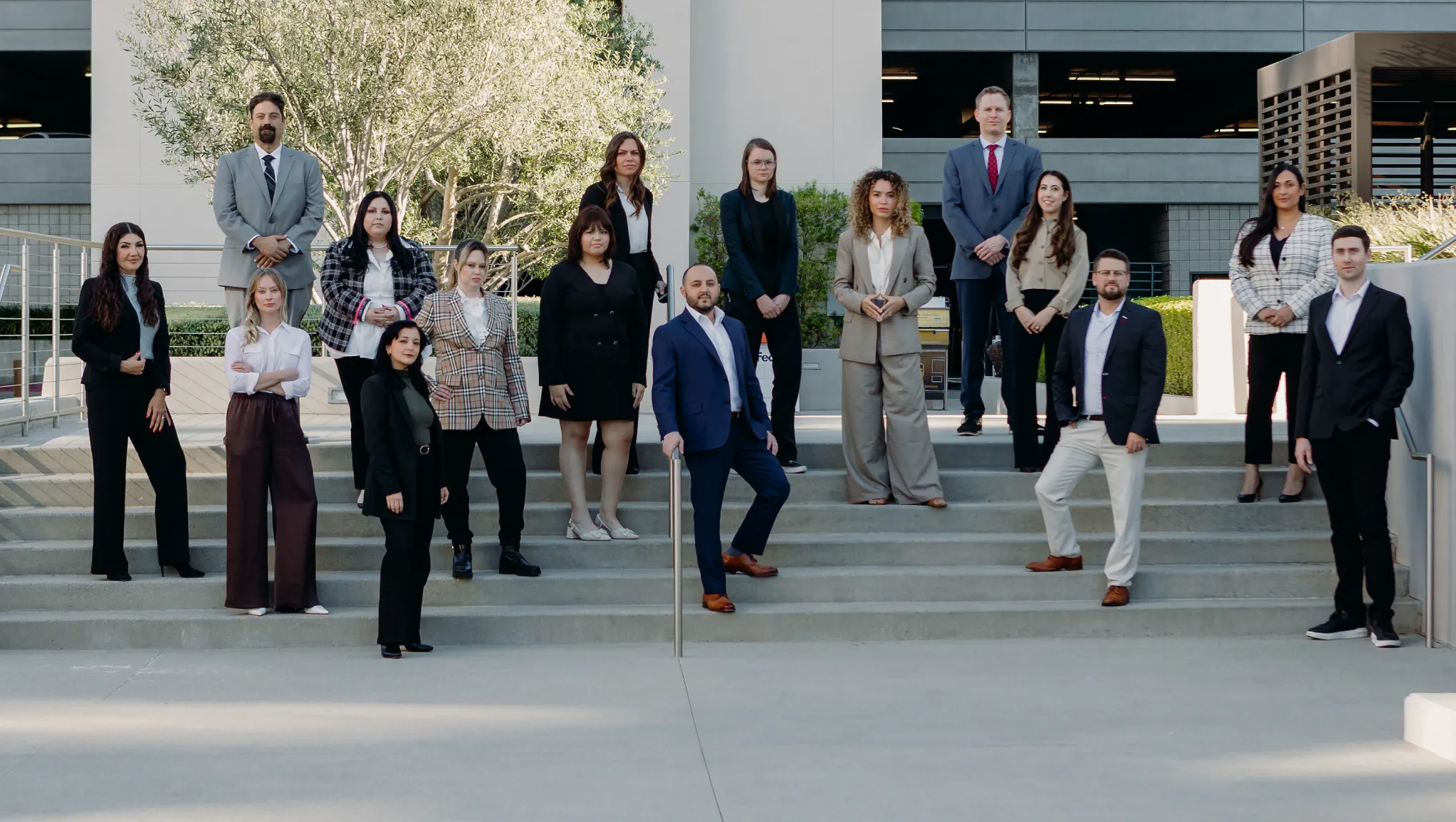
1
Kirsten Starr
Controller
2
Nicole Clancy
Senior Litigation Attorney
3
Mike Rachmann
Litigation Attorney
4
Robert Starr
Attorney, Founding Partner
5
Francine Barlavi
Client Onboarding Team
6
Danny Barlavi
Client Onboarding Team Lead
7
Kaylie Urango
Pre-Litigation Support Specialist
8
Amber Shelgren
Case Evaluation Assistant
9
Taylor McCarthy
Litigation Support Specialist
10
Gabriela Dominguez
Litigation Support Specialist
11
Cynthia Rodriguez
Case Manager
12
Collette Navasartian
Paralegal
13
Rebecca Harteker
Litigation Attorney
14
Manny Starr
Attorney, Managing Partner
15
Colin Rickard
Director of Growth & Operations
16
Mark Tieman
Attorney, Managing Partner
We’re on Your Side. Only Your Side.
Frontier Law Center handles cases on a contingency basis, so there is no cost unless we win. You can read how Frontier Law Center has approached similar cases on our accomplishments page.

100% Plaintiff-Side Practice
We never represent employers. Every resource, every strategy is dedicated to helping employees like you win.

We Actually Listen
Many firms rush through consultations. We take time to understand your full story — because details that seem small can be decisive.

California Specialists
California has the most powerful employee protection laws in the country. We know them deeply and use every one to your advantage.
Our Commitment to You
We never represent employers. Every resource, every strategy is dedicated to helping employees like you win.
100%
Confidential
No Fee
Unless we win
How Frontier Law Center Fights For You
California law provides strong employee protections. Does any of this match what you experienced?
1
You Share Your Story
Free, confidential, no pressure. We listen — and we give you an honest answer about your rights.
2
We Investigate
Our attorneys uncover what actually happened. You don’t lift a finger — we do the work.
3
We Fight for You
We negotiate hard and are fully prepared to go to trial. We fight for the maximum recovery.
4
You Move Forward
We only get paid when you win. You get closure, compensation, and a fresh start.
Questions California Employees Ask About Sexual Orientation Discrimination
The questions below reflect what employees most often ask when trying to determine whether what happened at work crossed the legal line. You may also find our page on gender and sex discrimination in California helpful if your situation involves overlapping claims.
Can My Employer Fire Me For Being Gay Or Lesbian In California?
No, California law prohibits employers with five or more employees from firing someone because of their actual or perceived sexual orientation. Courts look at timing, the paper trail, and whether the employer’s stated reason holds up. A termination that follows closely after an employee comes out, marries a same-sex partner, or gets outed at work can support a FEHA claim without any direct admission from the employer.
Is It Illegal If My Coworkers Make Homophobic Jokes And HR Does Nothing?
Repeated homophobic or transphobic conduct that HR knows about and fails to address can constitute a hostile work environment under FEHA. A single comment rarely meets the legal threshold, but a pattern of jokes, slurs, or exclusionary behavior that management ignores often does. HR’s documented inaction is frequently the most important evidence in these cases.
Can My Employer Cut My Hours Or Change My Schedule Because Of My Sexual Orientation?
No, cutting hours, reducing duties, or changing schedules because of an employee’s sexual orientation is an adverse employment action under FEHA and is prohibited under California law. If those changes align in timing with your coming out and your employer cannot point to a legitimate business reason, that pattern supports a discrimination claim.
How Long Do I Have To File A Sexual Orientation Discrimination Claim In California?
Under FEHA, you have three years from the discriminatory act to file with the California Civil Rights Department, plus one additional year to file in court after the right-to-sue letter issues. The federal EEOC deadline runs shorter at 180 to 300 days. If you are unsure whether your window is still open, do not assume it has closed before speaking with an attorney.
Is It Discrimination If My Manager Stopped Giving Me Good Projects After I Came Out?
Yes, this situation can qualify as discrimination under California law. Loss of high-visibility assignments, exclusion from key meetings, and quiet sidelining are all adverse employment actions when they affect your compensation or career growth. The pattern matters more than any single incident, especially when the timing tracks with a disclosure or a change in how your identity became known at work.
Do I Need A Lawyer For A Sexual Orientation Discrimination Case In California?
Legal guidance significantly improves your outcome in these cases. FEHA filing deadlines, CRD procedures, and severance agreement language are all areas where missteps are easy to make and hard to undo. Frontier Law Center works on a contingency basis, so you pay nothing unless your case results in a recovery.
Last Updated: June 01, 2026
The information on this page reflects the law as of the date above and is intended for general informational purposes only. It does not constitute legal advice, nor does it create an attorney-client relationship. Laws and regulations are subject to change, and individual circumstances vary — always consult a qualified attorney for guidance specific to your situation.
You Have Rights. Frontier Law Center Can Help You Use Them.
If something shifted at work after you came out, got married, or were outed without your permission, you do not have to sort through it alone. Frontier Law Center offers free, confidential case evaluations with no upfront cost, and we work on contingency, which means you pay nothing unless we win.
When you reach out, our team reviews your timeline, evaluates your documentation, and gives you a clear picture of whether you have a viable claim. You can also read how Frontier Law Center has approached similar cases on our accomplishments page.